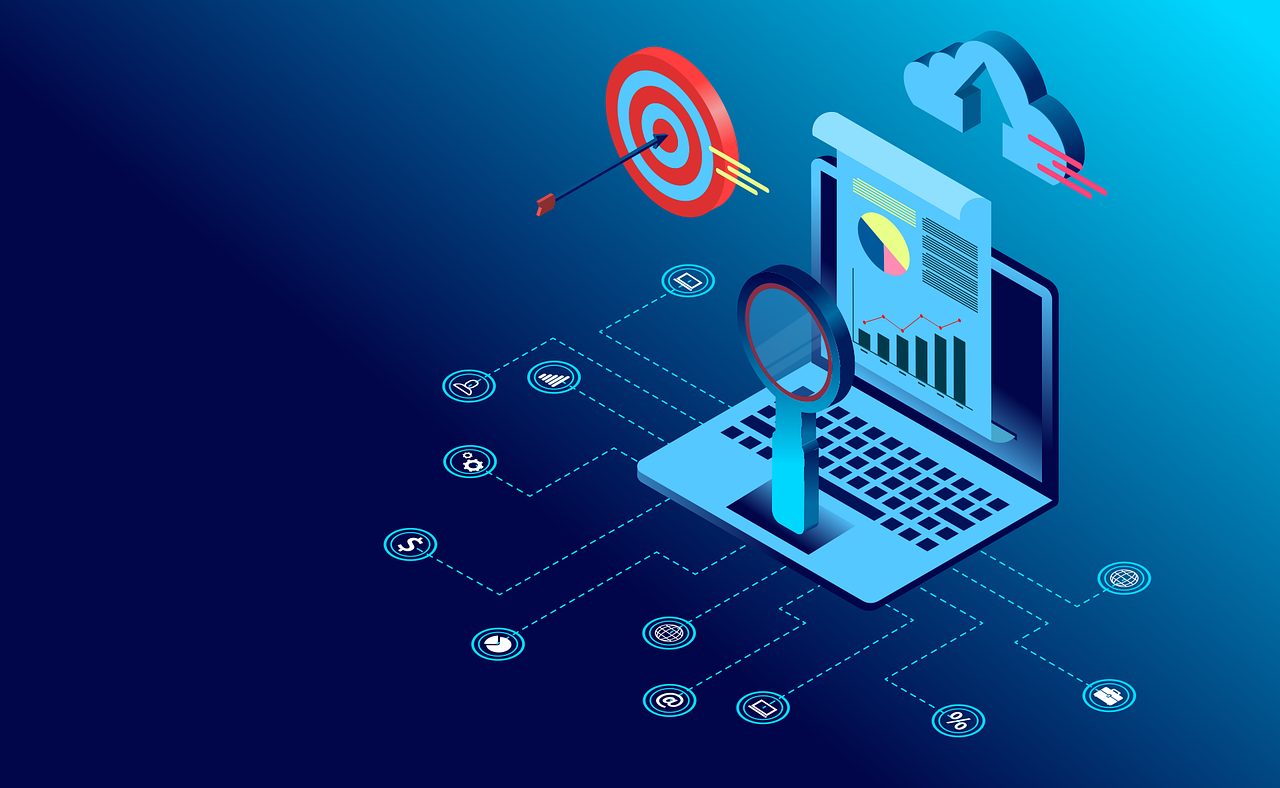
The modern business world is currently witnessing a massive transformation as traditional automation evolves into a more sophisticated era of cognitive intelligence. For a long time, companies relied on basic mechanical systems to handle repetitive tasks, but today’s competitive landscape requires a “thinking” infrastructure. Cognitive automation represents the fusion of artificial intelligence and machine learning with traditional business process management.
This technology allows machines to go beyond simple “if-this-then-that” logic and move into the realm of complex decision-making and pattern recognition. By mimicking human thought processes, these systems can analyze unstructured data, understand natural language, and learn from every interaction. This shift is not merely about replacing human labor; it is about augmenting human potential and unlocking hidden value within massive datasets. Organizations that successfully implement these cognitive systems can respond to market shifts with incredible speed and accuracy.
Furthermore, the ability to automate high-level cognitive tasks reduces operational risks and significantly lowers the margin for error in critical business functions. This comprehensive exploration will dive deep into the mechanics of cognitive systems, their industrial applications, and how they are redefining the concept of productivity. We are no longer just building tools; we are building intelligent partners that can navigate the complexities of a global digital economy.
The Architecture of Cognitive Systems

To understand how cognitive automation works, we must look at the underlying layers that allow a machine to “think” like a human. It is a combination of several advanced technologies working in perfect harmony.
A. Natural Language Processing (NLP)
NLP allows computers to understand, interpret, and generate human language. This is the foundation for intelligent chatbots and systems that can read and summarize complex legal or financial documents.
B. Machine Learning and Predictive Analytics
These algorithms analyze historical data to find patterns and make predictions about future outcomes. The more data the system processes, the smarter and more accurate it becomes over time.
C. Computer Vision and Image Recognition
Cognitive systems can “see” and interpret visual information from the real world. This is used in everything from quality control on factory floors to the analysis of medical imaging in healthcare.
Transforming Operations and Efficiency
The primary goal of cognitive automation is to eliminate the bottlenecks that slow down business operations. By taking over complex data tasks, these systems free up human workers for creative problem-solving.
A. Automating Complex Decision-Making Processes
Traditional automation can handle a simple refund, but cognitive systems can evaluate the reason for the refund and decide if a discount should be offered to keep the customer. This level of nuance was previously only possible for human agents.
B. Enhancing Data Entry and Information Extraction
Cognitive tools can “read” an invoice or a contract and extract the relevant data points automatically. This eliminates the need for manual data entry, which is often slow and prone to human error.
C. Optimizing Resource Allocation in Real-Time
Intelligent systems can monitor supply chains and automatically shift resources based on predicted demand. This ensures that a company never has too much or too little inventory at any given time.
Improving Customer Experience and Engagement
Modern customers expect instant, personalized service that understands their specific needs. Cognitive automation is the key to providing this level of care at scale.
A. Hyper-Personalized Product Recommendations
By analyzing a customer’s entire history and current behavior, AI can suggest the exact product they are likely to buy. This feels like a personal shopper for every single visitor to a website.
B. Intelligent Virtual Assistants and 24/7 Support
Cognitive bots can handle complex inquiries that would usually require a human expert. They provide instant answers at any time of day, ensuring that a customer never has to wait for help.
C. Sentiment Analysis and Feedback Management
Systems can scan social media and review sites to understand how customers feel about a brand. This allows companies to address negative sentiment before it turns into a major public relations crisis.
Impact on Financial Services and Risk
The banking and finance sector is one of the biggest beneficiaries of cognitive technology. The ability to process data at lightning speed is essential for maintaining security and profitability.
A. Real-Time Fraud Detection and Prevention
Cognitive systems can identify microscopic anomalies in transaction patterns that might indicate fraud. They can block a stolen card in milliseconds, long before the owner even realizes it is missing.
B. Algorithmic Trading and Market Analysis
Advanced models can analyze global news and market data to execute trades faster than any human could. This allows for much higher precision in investment strategies and risk management.
C. Automated Regulatory Compliance and Auditing
Fintech companies use cognitive tools to ensure they are following thousands of different global laws. These systems automatically flag potential compliance issues, saving millions in potential fines.
Cognitive Automation in Manufacturing
The “Smart Factory” is no longer a dream of the future; it is a reality powered by intelligent machines. Efficiency on the production line is reaching levels that were once thought impossible.
A. Predictive Maintenance and Zero-Downtime Goals
Sensors can predict when a machine is likely to fail by analyzing vibrations and heat signatures. This allows for repairs to be made before a breakdown occurs, saving a fortune in lost production.
B. Autonomous Robotics and Collaborative Systems
Modern robots can work safely alongside humans, learning new tasks through observation. These “cobots” handle the dangerous or repetitive parts of the job while humans focus on quality control.
C. Supply Chain Visibility and Resilience
Cognitive tools can predict global shipping delays by analyzing weather patterns and political events. This allows manufacturers to adjust their logistics plans before a delay even happens.
The Evolution of Human Resources and Talent
Cognitive automation is changing how companies find and nurture their most important asset: their people. It makes the hiring process more objective and data-driven.
A. Smart Recruitment and Candidate Matching
Algorithms can scan thousands of resumes to find the perfect match for a specific role based on skills and cultural fit. This reduces the time-to-hire and ensures a better long-term fit for the company.
B. Personalized Employee Learning and Development
AI can create a custom training path for every employee based on their current skills and career goals. This makes professional development more effective and keeps the workforce engaged.
C. Automated Employee Support and Internal Queries
Internal bots can answer common questions about payroll, benefits, or company policy. This frees up HR professionals to focus on higher-level strategic planning and employee well-being.
Enhancing Healthcare and Life Sciences
In the medical world, cognitive automation is helping to save lives by accelerating research and improving the accuracy of diagnoses.
A. Accelerating Drug Discovery and Testing
AI can simulate how new drugs will interact with the human body, cutting years off the research process. This allows life-saving medicines to reach the market much faster than traditional methods.
B. Advanced Medical Imaging and Diagnostics
Cognitive systems can analyze X-rays and MRI scans with a level of detail that the human eye might miss. This leads to earlier detection of diseases and more successful treatment outcomes.
C. Automated Patient Monitoring and Triage
Wearable devices can feed data into cognitive systems that alert doctors if a patient’s vitals show signs of trouble. This allows for proactive care and reduces the burden on hospital staff.
The Role of Edge Computing in AI
Cognitive automation is moving closer to the source of the data through a technology called edge computing. This allows for even faster decision-making by reducing the need to send data to a central cloud.
A. Reducing Latency for Critical Decisions
In self-driving cars or factory robots, a delay of a few milliseconds can be catastrophic. Edge computing allows the “brain” to sit right next to the “sensors,” enabling instant reactions.
B. Improving Data Privacy and Security
By processing data locally on a device, companies can avoid sending sensitive information over the internet. This is a key requirement for industries like healthcare and national security.
C. Lowering Bandwidth Costs and Energy Use
Processing data at the edge reduces the amount of information that needs to be stored in the cloud. This makes the entire system more efficient and environmentally friendly.
Overcoming Challenges of AI Implementation
Despite the clear benefits, integrating cognitive automation into an existing business is a complex task. Success requires more than just buying the right software.
A. Solving the Problem of Data Quality
An AI is only as good as the data it is fed. Companies must first clean and organize their data before they can start building intelligent automated systems.
B. Addressing the Skills Gap in the Workforce
Employees need to be retrained to work alongside intelligent machines. This requires a significant investment in education and a change in the company’s culture toward technology.
C. Ensuring Ethical AI and Avoiding Bias
If the historical data used to train an AI contains biases, the AI will repeat those biases. Companies must actively monitor their systems to ensure they are making fair and ethical decisions.
Measuring the ROI of Cognitive Systems
Stakeholders need to see a clear return on investment for high-tech projects. Measuring the success of cognitive automation requires looking at both hard and soft metrics.
A. Direct Cost Savings and Labor Efficiency
The most obvious metric is the reduction in manual labor hours required for a specific process. These savings can be reinvested into innovation and new product development.
B. Improvements in Quality and Error Reduction
Calculating the cost of errors that were avoided provides a powerful look at the value of AI. In sectors like finance, a single avoided error can be worth millions of dollars.
C. Increased Scalability and Revenue Growth
Automation allows a company to handle much more work without adding more staff. This “non-linear” growth is the ultimate goal of any modern digital transformation strategy.
The Future of Cognitive Enterprise
We are moving toward a future where every business process will have some level of cognitive intelligence. The “Autonomous Enterprise” is the next major step in our industrial evolution.
A. Self-Healing and Self-Correcting Systems
In the future, when an automated process encounters a problem, it will be able to diagnose and fix itself. This will lead to near-perfect reliability for all business operations.
B. Hyper-Automation and the End of Manual Work
We are approaching a point where every repetitive task, both physical and mental, will be handled by machines. Humans will be free to focus entirely on creativity, strategy, and empathy.
C. Global Collaborative Intelligence Networks
AI systems from different companies will be able to “talk” to each other to optimize global trade and logistics. This will create a more efficient and resilient world economy for everyone.
Conclusion
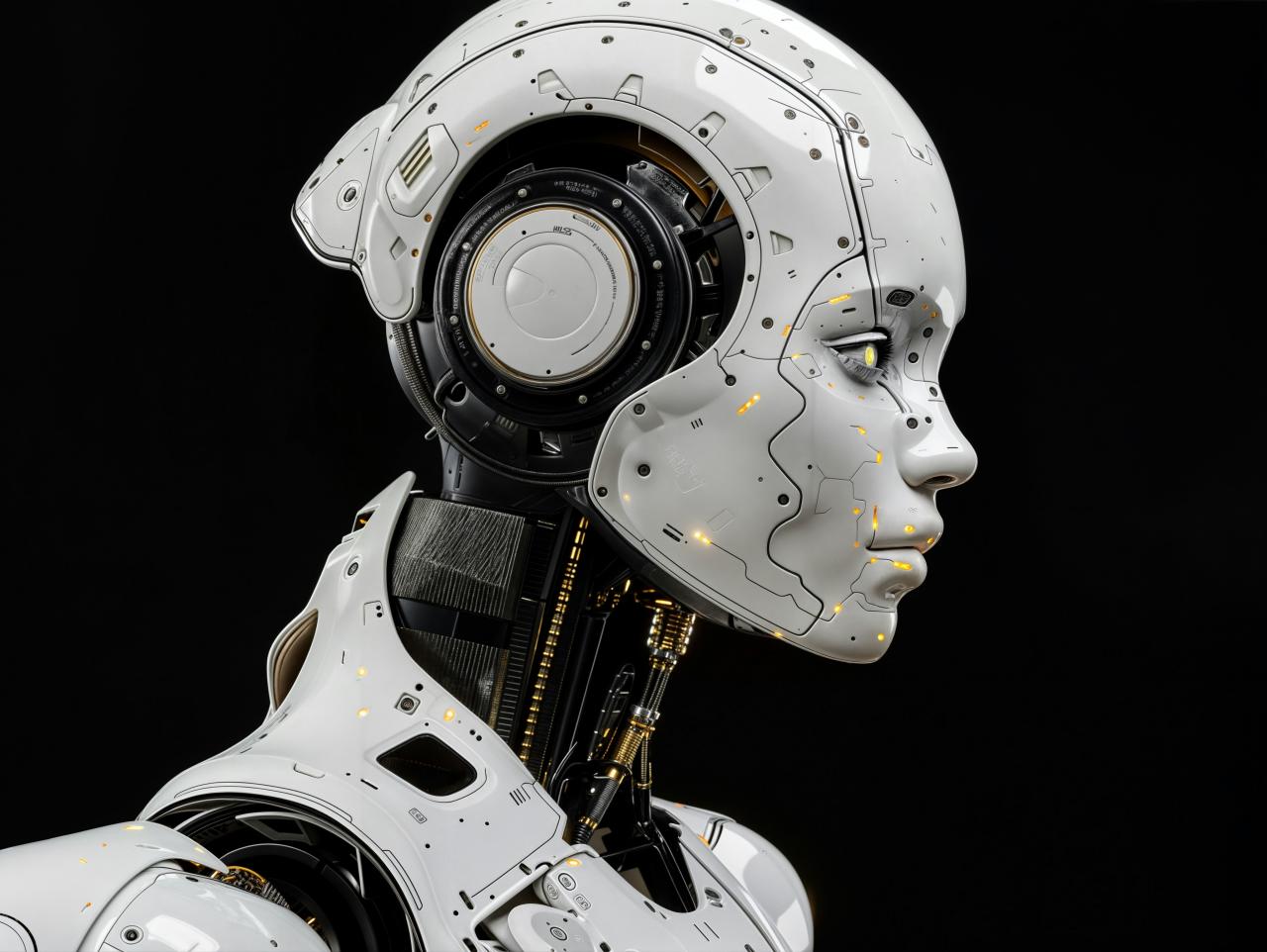
Cognitive automation is the defining technology of our era and is essential for future growth. Businesses must move beyond simple task-based automation to stay competitive in a global market. The fusion of human creativity and machine intelligence creates an unstoppable force for innovation. Data is the fuel for these systems, but its quality is what determines the final outcome. The ethical implementation of AI is a responsibility that every business leader must take seriously. Healthcare and finance are being fundamentally reshaped by the speed of cognitive data processing.
The shift toward edge computing will make our intelligent systems faster and more secure than ever. Retraining the workforce is just as important as installing the latest software or hardware tools. Measuring the success of these systems requires a balanced look at efficiency and quality gains. The ultimate goal is an autonomous enterprise that can learn and grow on its own. Human workers will transition from being “doers” to being “orchestrators” of intelligent systems. Every industry will eventually be a tech industry as cognitive tools become a standard utility.
The complexity of modern global markets makes manual oversight almost impossible for large firms. Investment in cognitive technology today is an investment in the long-term survival of the brand. Small steps in automation can lead to massive leaps in organizational value over several years. Start your cognitive journey today by identifying the most data-heavy bottlenecks in your company.